$500 a month on restaurants means about $6,000 a year on dining. For a single in a city — eating lunch out a few times a week, dinner with friends most weekends, the occasional nicer meal — that's an unremarkable number that most articles treat as if it requires the most expensive card on the market.
It doesn't. Every card here is charged its full sticker fee — merchant-locked credits count only if you'd genuinely use them — so the contest is high rate behind a big fee versus solid rate behind a small one, plus what you do with the points after (Strata Premier, Aeroplan, and Autograph Journey all transfer to airline and hotel partners). Blue Cash Preferred is a grocery card — it earns just 1x on dining and doesn't make the cut here.
Key insight
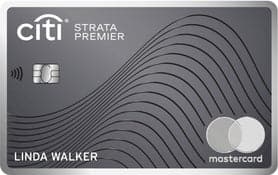
At $500/mo dining, Amex Gold's 4x earns the most raw points — 24,000 MR/yr on dining alone versus Chase Sapphire Preferred's 18,000 UR at 3x. But raw points aren't net value. We charge Gold's full $325 sticker fee — its Uber, dining-partner, Resy, and Dunkin' credits count only when you tell the calculator you use them — and that pulls Gold to ~$314/yr, behind every $95-fee 3x card here. Citi Strata Premier wins at ~$526/yr by pairing the same 3x dining with 3x on travel, groceries, and gas. If Gold's credits genuinely fit your routine, they're up to $424/yr of upside — sign in, mark the ones you use, and the ranking updates honestly.